How to combine tiles: colours, textures and shapes to create unique spaces
Combining tiles goes far beyond choosing two colours that work well together. Contrast can come from shades, but also from textures, reliefs, formats or the interplay between surfaces inspired by stone, wood, marble or cement.
Well-chosen tile combinations can give a space personality while maintaining balance. In bathrooms and kitchens, they can also help define zones, highlight a particular wall or create continuity between floor and wall tiles.
The key is to find a common thread and decide which surface will take centre stage and which will play a supporting role.
Tips for combining tiles successfully
- Use different shades within the same colour range
- Pair a neutral colour with a more intense one
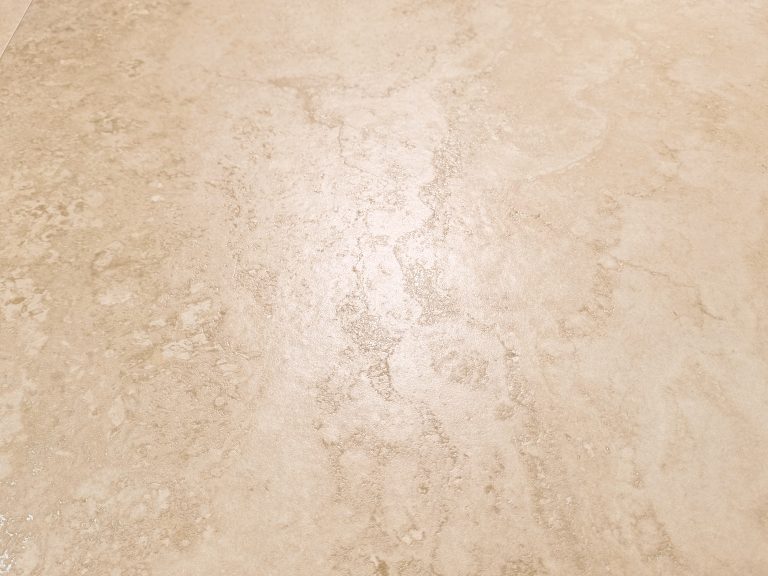
- Alternate smooth surfaces with relief surfaces
- Introduce contrasts between matt and gloss finishes
- Combine different formats and sizes
- Combine surfaces inspired by stone, wood, marble or cement
In many projects, pairing one feature surface with a more neutral one is enough to create contrast without overwhelming the overall design.
How to combine tiles in the bathroom
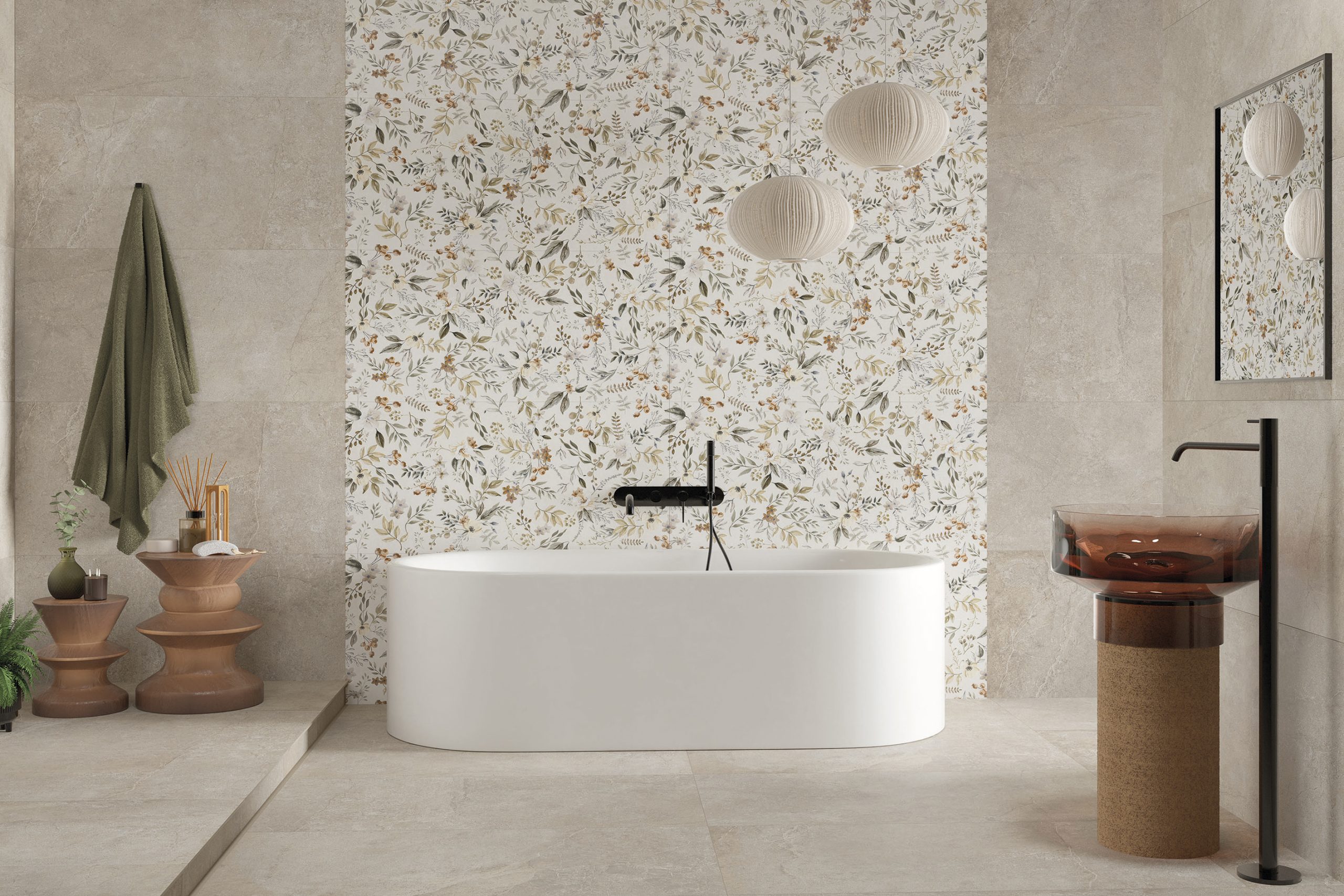
The bathroom offers many possibilities for combining tiles. Floors, walls, showers and washbasin areas can feature different surfaces while maintaining a consistent aesthetic.
A versatile solution is to choose a neutral base for the main surfaces and reserve colour, relief or a more pronounced texture for a specific area. Another option is to use different shades or formats from the same collection to add depth without disrupting visual continuity.
Tile combinations for small bathrooms
In a small bathroom, light tones can provide a base for a visually lighter space. To add personality, a more intense shade, a relief surface or a different finish can be reserved for the shower, the wall behind the washbasin or a specific area.
Format also influences how the overall space is perceived. Larger tiles can help create more visually continuous surfaces by reducing the number of grout lines, while always taking into account the specific dimensions and characteristics of each space.
How to combine tiles in the shower
The shower can blend visually with the rest of the bathroom or become one of its focal points.
To create contrast, one option is to use a more intense colour or a surface with relief or a decorative pattern on the walls of this area.
For a wider choice of modern bathroom tiles, take a look at our catalogue.
How to combine tiles in the kitchen
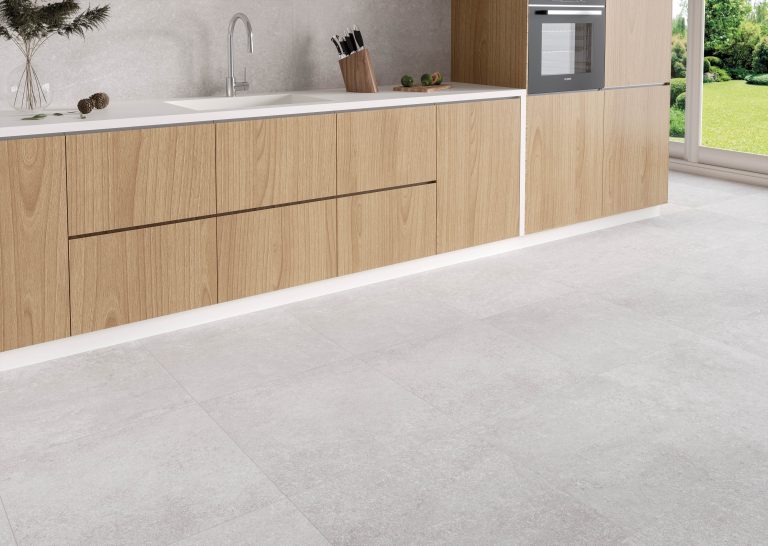
In the kitchen, we can combine floor and wall tiles, highlight the work area or create a connection between the tiled surfaces and the furniture.
A simple approach is to choose one predominant colour and use another as an accent.
In a kitchen dominated by light or beige tones, for example, a green or blue surface, or even a decorative pattern, can introduce contrast on a particular wall.
Our full collection of porcelain kitchen tiles is available on our catalogues page.
How to combine relief and colour in tiles
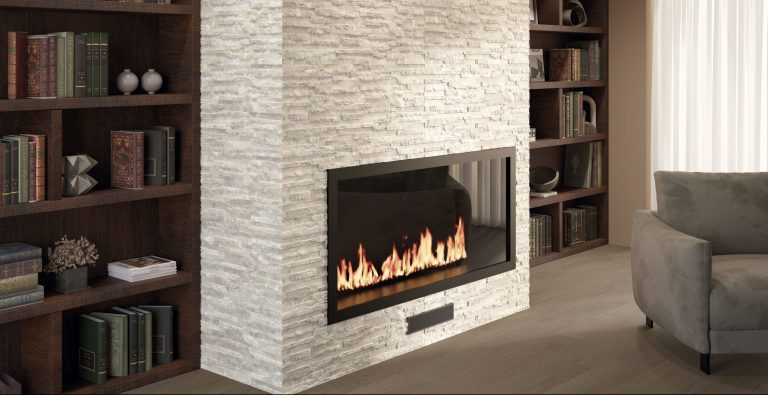
Relief adds depth without relying exclusively on colour contrast.
The appearance of a 3D surface changes with the lighting and viewing angle, allowing it to become a focal point even when only one colour is used.
We can pair a neutral relief surface with a smooth surface in a more intense colour, use a coloured relief against a more understated base, or keep the shades similar and let texture create the distinction.
Combining formats, shapes and sizes
Colour is not the only tool available for creating contrast. Different formats can also change the rhythm and perception of a surface.
Using several sizes within the same collection makes it easier to maintain a coordinated aesthetic and colour palette while introducing different proportions.
The Lyon, Provence, Savoia and Windsor collections, for example, come in a range of formats, including 89.2 x 89.2 cm, 59.4 x 89.2 cm, 59.4 x 59.4 cm and 29.6 x 59.4 cm.
This variety makes it possible to create modular layouts combining square and rectangular tiles without switching collections or introducing a new colour.
Find the right combination for your project
There is no single formula for combining tiles. A project can start with colour, relief, format, finish or the relationship between different tile effects.
What matters is to establish a common approach, decide where to place the emphasis and select each surface with both the aesthetics and the technical requirements of the space in mind.
At Porcelánicos HDC, we develop floor and wall tile collections that offer a range of shades, formats, textures and finishes for indoor and outdoor projects, homes and commercial spaces.
To help you find the right combination for your project, our team can offer personalised advice, from selecting the material to defining the tiling solution.
Porcelánicos HDC
Tel.: 00 34 964 32 99 40
Email: hdc@porcelanicoshdc.es
Artículos relacionados
Parece que no podemos encontrar lo que buscas.